Drying & Dehumidification

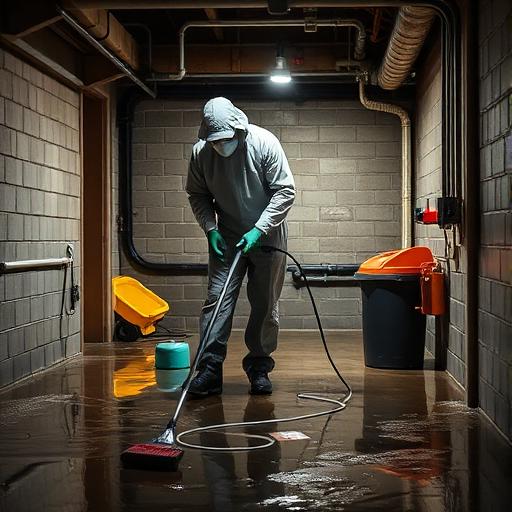
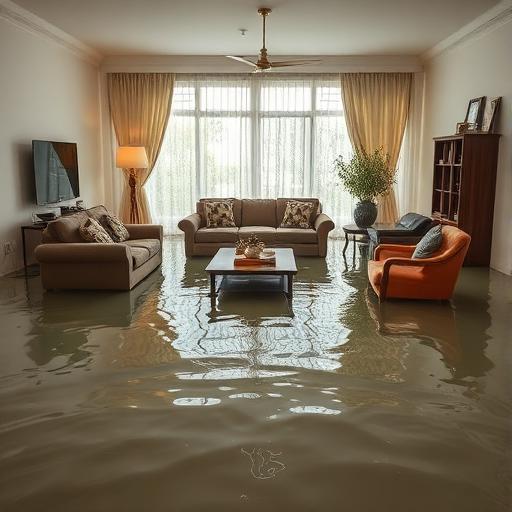
Once standing water has been removed, the real work of restoration begins: drying out the structure. Even when floors look dry to the touch, water often remains trapped inside drywall, baseboards, subfloor layers and wall cavities, where it can quietly cause warping, swelling, staining and mold growth for weeks. Wayne Water Pro Usa connects Wayne County homeowners with restoration crews who deliver complete structural drying using industrial air movers, commercial-grade dehumidifiers and moisture mapping technology. Crews monitor temperature, humidity and material moisture levels daily, adjusting equipment placement to dry the space evenly without overworking some surfaces or under-drying others. The drying plan is tailored to the building materials involved — hardwood floors, engineered subfloors, plaster walls and insulation each respond differently to airflow and humidity. Proper drying is what separates a property that fully recovers from one that develops costly secondary damage. Whether the affected area is a single bathroom or an entire finished basement, the goal is to return the home to a stable, safe and dry condition across Allen Park, Dearborn Heights, Garden City, Inkster and Taylor.

Industrial Air Mover Setup

High-velocity air movers are the workhorses of structural drying. Positioned strategically around an affected room, they break up the boundary layer of moist air that clings to wet surfaces and accelerate evaporation from carpets, walls, floors and other materials. Restoration crews calculate how many air movers a space needs based on square footage, ceiling height and the wetness of the materials. Proper placement, spacing and angle make the difference between an even, efficient dry and a slow process that leaves hidden pockets of moisture behind in baseboards, corners and wall cavities for weeks.

Commercial Dehumidifier Deployment

As air movers pull moisture out of building materials, that water becomes vapor in the room — and it has to go somewhere. Commercial dehumidifiers, including refrigerant and desiccant units, capture that vapor and remove it from the environment. Choosing the right dehumidifier capacity for the affected area is essential: too little, and humidity stays high enough for materials to keep absorbing moisture; too much, and crews waste energy. Local teams size and place dehumidifiers based on the size of the affected space, current humidity readings and target drying goals.

Wall Cavity Drying

Water that gets behind drywall, paneling or wainscoting can remain trapped for weeks if it isn't actively removed. Restoration teams use specialized drying systems that introduce dry, warm air directly into wall cavities through small access points, pulling moisture out without removing the entire wall. Moisture meters confirm when framing, insulation and the inside surface of drywall have returned to safe levels. Wall cavity drying preserves structural elements, prevents hidden mold growth, and avoids unnecessary tear-out and reconstruction whenever the existing wall can be saved.

Ceiling Drying

When water enters from above — a leaking second-floor bathroom, a roof leak, or an upstairs appliance failure — ceilings absorb the moisture and may sag, stain or warp. Drying a ceiling safely involves carefully placed air movers, controlled airflow and constant moisture monitoring to confirm that drywall, joists and insulation above are returning to dry conditions. In some cases, small inspection openings allow direct airflow into the cavity without major demolition. Quick ceiling drying helps avoid collapse, replacement costs and mold growth in the floor system above.

Hardwood Floor Drying Systems

Hardwood floors are particularly vulnerable to water damage. Without prompt attention, boards can cup, crown or buckle, often requiring full replacement. Specialized hardwood drying systems use vacuum mats and ducted air movers to pull moisture directly out of wood from above, dramatically reducing the chance of permanent damage. Combined with dehumidification and moisture monitoring, this approach can save many hardwood floors that would otherwise need to be torn out and replaced — preserving the look and value of the home long after the original water event.

Moisture Mapping & Monitoring

Effective drying depends on knowing exactly where moisture is hiding. Restoration teams use thermal imaging cameras, pin and pinless moisture meters, and hygrometers to map the full extent of water migration through floors, walls and ceilings. Daily readings track progress and confirm that materials are reaching dry standard. This data also creates a clear paper trail that supports insurance documentation and demonstrates that the structure has been properly dried before reconstruction or new flooring is installed.

Subfloor Drying

Beneath finished flooring lies the subfloor — usually plywood or OSB — and water can sit there long after the surface looks dry. If subflooring stays damp, it can warp, swell, separate from the joists or grow mold underneath the visible floor. Crews lift sections of finished flooring when needed, use directed airflow under tile, vinyl or hardwood, and monitor moisture content directly in the subfloor material. Drying the subfloor properly is critical for the long-term performance of any new or restored finished flooring installed on top.

Humidity Control & Stabilization

Bringing humidity back to a healthy range — typically between 30 and 50 percent — is the final step of structural drying. Crews monitor relative humidity in the affected area and surrounding rooms to make sure that drying equipment isn't simply moving moisture from one space to another. Once readings stabilize across all monitored points and material moisture content matches dry standard, equipment can be removed. Proper humidity stabilization reduces the risk of post-loss issues like musty odors, condensation problems and mold growth in adjacent spaces.

Water Damage Restoration Contractor Services