Sewage Cleanup

Sewage backups are some of the most hazardous water events that can affect a home. Unlike a clean-water leak from a supply line, sewage water carries bacteria, viruses and other contaminants that can pose serious health risks if not handled correctly. Wayne Water Pro Usa connects Wayne County homeowners with local crews equipped to manage sewage incidents safely — from toilet overflows and basement drain backups to septic tank failures and main line ruptures. Technicians arrive with personal protective equipment, containment supplies and specialized extraction tools designed for contaminated water, and they follow strict protocols for removal, cleaning, sanitization and disposal. Materials that cannot be safely cleaned, such as soaked carpet padding, drywall and insulation that contacted black water, are removed and bagged for proper disposal. After extraction and removal, the affected area is cleaned, sanitized and deodorized using EPA-registered antimicrobial products. The goal is to return the home to a safe, sanitary condition across Allen Park, Dearborn Heights, Garden City, Inkster and Taylor.

Sewage Water Extraction

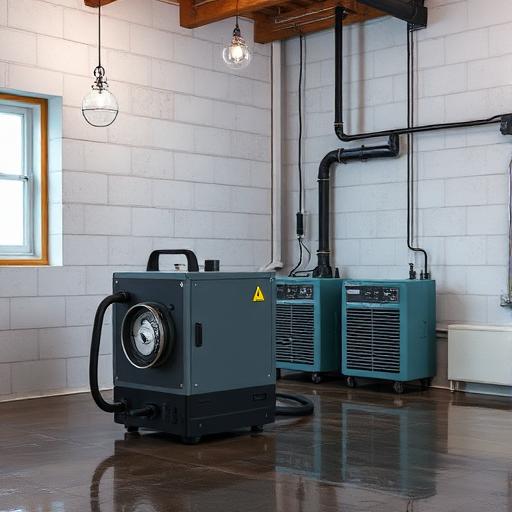
Sewage extraction is handled differently than clean water. Crews use dedicated equipment, full personal protective gear and containment to safely remove contaminated water from floors, basements and crawl spaces. Standing sewage is removed first, followed by surface extraction and disinfection of the affected area.

Toilet Overflow Cleanup

Overflowing toilets can quickly spread contaminated water across bathroom floors and into adjacent rooms or lower levels. Cleanup includes extracting the water, removing affected porous materials when needed, and sanitizing all hard surfaces and fixtures so the bathroom is safe to use again.

Septic Tank Backup Cleanup

Septic system failures can release significant amounts of black water into a home. Crews coordinate cleanup with attention to the volume of contamination, removing affected materials, extracting water, and disinfecting the structure once the source has been addressed by the plumber or septic contractor.

Drain Backup Cleaning

Floor drains, sink drains and basement drains can back up suddenly during heavy rain or sewer line problems. Cleanup involves removing the contaminated water, sanitizing the affected area, and inspecting nearby flooring, baseboards and stored belongings for damage that may need additional attention.

Contaminated Material Removal

Porous materials such as carpet padding, particle board, drywall and insulation that have absorbed sewage often cannot be safely cleaned and must be removed. Crews bag and dispose of these materials according to safety guidelines, then prepare the structure for cleaning, drying and reconstruction.

Biohazard Sanitization

After removal and extraction, all affected hard surfaces are cleaned and treated with EPA-registered antimicrobial products. Sanitization targets the bacteria, viruses and other pathogens commonly found in sewage water, reducing the health risks associated with contaminated water exposure inside the home.

Odor Removal & Deodorization

Sewage events often leave behind lingering odors that ordinary cleaning cannot eliminate. Crews use professional deodorization techniques — including hydroxyl generators, thermal fogging and odor-neutralizing treatments — to address odors at their source rather than simply masking them with fragrance.

Disinfection & Antimicrobial Treatment

Final disinfection focuses on every surface that may have contacted contaminated water, including floors, baseboards, lower wall sections and any salvageable contents. Antimicrobial treatments help prevent regrowth of bacteria and mold, leaving the affected space sanitary and ready for reconstruction or normal use.