Flood Damage Cleanup

Flooding from heavy rain, overflowing rivers, sump pump failures or storm surges can leave a home in serious condition very quickly. Beyond the obvious water on the floor, flooding pushes mud, debris and contaminants throughout the affected space, soaks into structural materials, and creates the perfect conditions for mold growth within just a few days. Wayne Water Pro Usa connects Wayne County homeowners with restoration crews equipped to handle every stage of flood recovery — from initial water and debris removal to drying, sanitization and full reconstruction. Crews start with a careful assessment of safety and structural stability, then move quickly to extract water, clean out mud and debris, and stabilize the building so further damage is prevented. Long-term success depends on thorough drying, contamination control and protecting salvageable belongings while removing materials that cannot be saved. Whether the flood involved a finished basement, a ground-floor living area or an entire property, the goal is the same: return the home to a clean, dry, livable condition across Allen Park, Dearborn Heights, Garden City, Inkster and Taylor.


Floodwater Removal

Removing floodwater is the first priority. Crews use truck-mounted extractors, submersible pumps and wet vacuums to clear standing water from basements, ground-level rooms and outdoor spaces, working safely around electrical hazards and unstable materials until the water is fully removed.

Mud & Debris Cleanup

Floodwater rarely arrives clean. Mud, silt, leaves and outdoor debris are pushed into the home and can coat floors, walls and contents. Crews shovel, scrape and wash away debris, then prepare the affected surfaces for sanitization and structural drying.

Structural Damage Assessment

After bulk removal, technicians assess the structure for visible and hidden damage to framing, drywall, flooring and foundations. The assessment guides decisions about which materials can be saved, which must be removed, and what additional repairs the property will need before it is reoccupied.

Drying After Natural Flooding

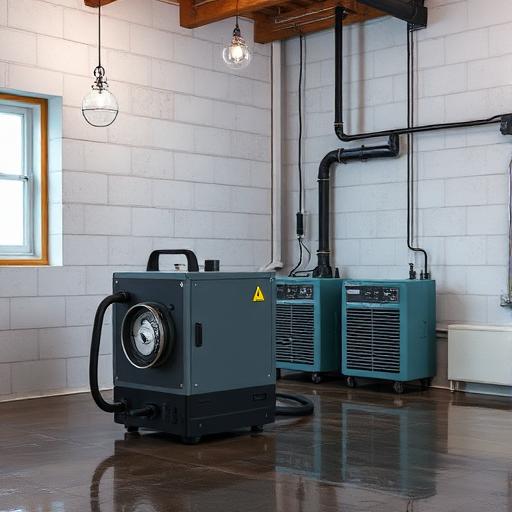
Drying a flooded structure requires powerful air movement and dehumidification. Crews set up industrial air movers and commercial dehumidifiers, monitor moisture daily, and adjust equipment until floors, walls and structural materials reach safe dry standard throughout the affected area.

Basement Flood Cleanup

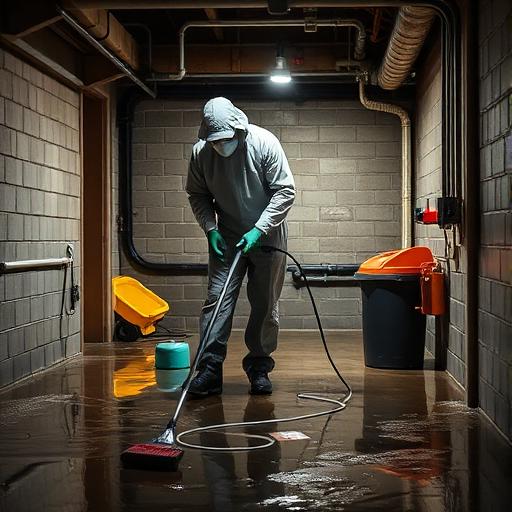
Basements take the brunt of most home floods. Cleanup involves removing standing water, drying the slab and walls, evaluating finished framing and flooring, and sanitizing the space. Stored belongings are inspected and either cleaned or set aside for disposal as appropriate.

Content Salvage & Cleaning

Personal belongings — furniture, clothing, documents, electronics and keepsakes — are inventoried, sorted and cleaned whenever they can be safely restored. Salvageable items are dried and treated, while non-salvageable contents are documented for insurance before disposal.

Mold Prevention After Flooding

Floods create ideal conditions for mold, often within 24 to 48 hours. Crews apply EPA-registered antimicrobial treatments to affected surfaces and continue drying until materials reach safe moisture levels, helping reduce the risk of mold growth in walls, floors and structural cavities.

Full Property Restoration After Flood

After cleanup, drying and sanitization, the property is prepared for reconstruction. This may include drywall replacement, new flooring, repainting and repair of structural or mechanical components, with the goal of returning the home to its pre-flood condition as efficiently as possible.

Water Damage Restoration Contractor Services