Emergency Water Extraction

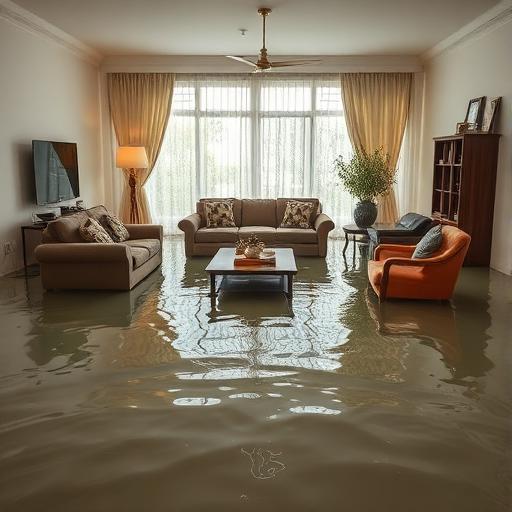
When water enters a home unexpectedly, every minute matters. Wayne Water Pro Usa connects Wayne County homeowners with local emergency water extraction crews who can respond at any hour, day or night. Standing water soaks into flooring, drywall, insulation and subfloor materials within minutes, and continued exposure leads to warped boards, swollen baseboards, damaged electrical components and the perfect environment for mold growth. Fast extraction is the most important step in protecting a property after a leak, burst pipe, appliance failure, sewer backup or storm event. Local restoration teams arrive with truck-mounted extractors, submersible pumps, wet/dry vacuums and moisture meters to remove standing water quickly and document the affected area for insurance. From single-room leaks in upstairs bathrooms to fully flooded basements, the goal is the same — pull the water out, stabilize the structure, and begin the drying process before secondary damage takes hold across Allen Park, Dearborn Heights, Garden City, Inkster and Taylor.

24/7 Emergency Response

Water emergencies don't follow a schedule. Pipes burst on holidays, washing machines overflow at night, and storms hit on weekends. The local crews connected through Wayne Water Pro Usa are reachable around the clock, with phones answered at any hour and dispatch teams that can be on-site quickly across Wayne County. A fast first call helps lock in priority response, gather the right equipment, and start removing water before it has time to spread into walls, cabinets and subflooring. Documentation begins on arrival to support insurance claims later in the process.

Standing Water Removal (Pumps & Vacuums)

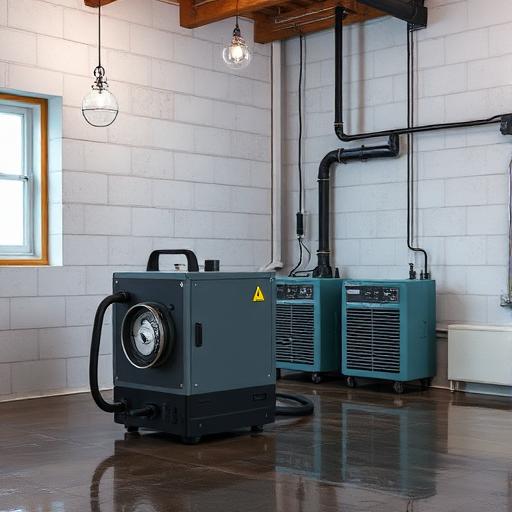
Removing standing water requires the right equipment for the depth and volume. Truck-mounted extractors handle large-scale flooding, submersible pumps clear deep basement water, and high-powered wet/dry vacuums recover water from carpets, padding and hard floors. Crews assess the source, the contamination level and the affected materials, then choose the fastest safe method to extract the water. Working in stages — bulk removal first, surface extraction second — speeds drying and reduces the risk of permanent damage to flooring, baseboards and structural components throughout the affected rooms.

Burst Pipe Water Extraction

Burst pipes are one of the most common causes of indoor flooding in Michigan, especially during winter freezes. A single split copper line can release hundreds of gallons before the main shutoff is reached. Local extraction crews stop the spread, remove pooled water from floors and wall cavities, and use moisture meters to map exactly how far the water has traveled. Quick response after a burst pipe protects framing, insulation and drywall, and helps prevent the slow, hidden damage that often appears weeks later as warped trim or peeling paint.

Appliance Leak Cleanup (Washing Machines, Dishwashers)

Washing machines, dishwashers, refrigerators with ice makers and water heaters are all common sources of indoor water damage. A failed supply line or leaking pump can flood a laundry room, kitchen or finished basement in a short period of time. Cleanup crews extract the water, remove saturated flooring and cabinet materials when needed, and dry the surrounding structure. Because appliance leaks often go unnoticed for hours, special attention is given to baseboards, subfloors and adjacent walls where moisture can spread quietly.

Roof Leak Water Removal

Heavy rain, ice dams and aging shingles can all allow water to enter through the roof. Once water gets past the roofing layer, it can travel through attic insulation, down rafters and into ceilings and interior walls. Extraction teams remove pooled water from attic spaces, ceilings and upper floors, then begin drying before the moisture causes ceiling collapse, stained drywall or mold growth. Tarping and temporary protection can also be coordinated to stop further intrusion until permanent roof repairs are completed.

Basement Water Extraction

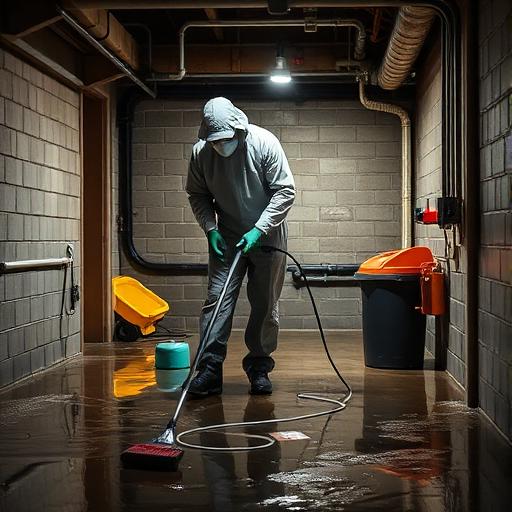
Basements are the most common location for water accumulation in Wayne County homes. Heavy rain, sump pump failures, foundation seepage and sewer backups can all leave several inches of water on basement floors. Restoration crews use submersible pumps for bulk water and wet vacuums for residual moisture, then dry the slab, walls and any framed-out finished areas. Quick action protects stored belongings, drywall, insulation and finished flooring, and reduces the risk of long-term mold and odor problems in below-grade spaces.

Stormwater Intrusion Removal

Severe storms can push water through window wells, doors, foundation cracks and overwhelmed drainage systems. Stormwater is often classified as gray or black water, depending on what it has contacted on its way into the home. Crews use containment, pumps and extractors to remove the water safely, then sanitize the affected area. Quick stormwater extraction limits damage to flooring, drywall and personal belongings, and helps the property dry out before mold and odor issues develop in saturated materials.

Crawl Space Water Removal

Crawl spaces collect water from foundation leaks, plumbing failures and groundwater intrusion, and the moisture often goes unnoticed until odors or mold appear in the home above. Extraction teams pump and vacuum out standing water, remove saturated vapor barriers when needed, and set up drying equipment in the tight space. Drying a crawl space properly protects floor joists, subflooring and insulation, and helps keep humidity levels in the rest of the home within a healthy range long after the initial water event is resolved.

Water Damage Restoration Contractor Services